We are working to sustainably increase forest productivity to maximise the value and profitability of the forestry industry in New Zealand.
Forestry is New Zealand’s third largest primary export and the industry is working towards doubling its export earnings by 2022. This will boost regional and national economies and bring environmental benefits.
Breeding better trees
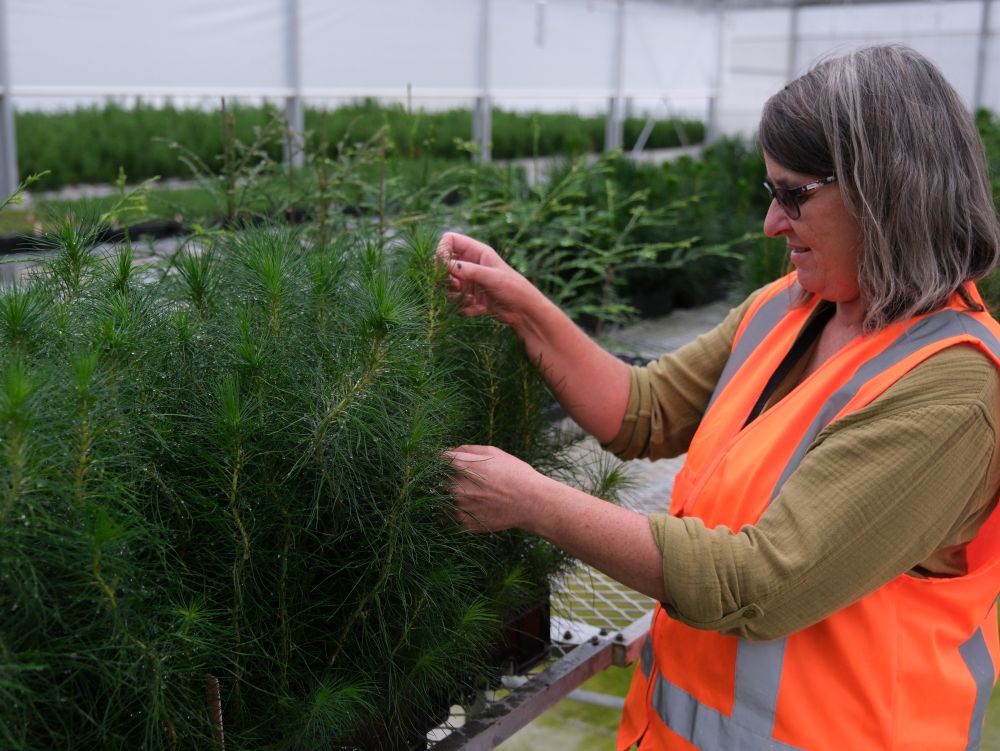
Growth and wood quality traits in Pinus radiata are highly heritable. We use a combination of phenotyping and genetic selection techniques to develop breeding programmes for traits that are of commercial value to the forest industry.
Boosting forest productivity
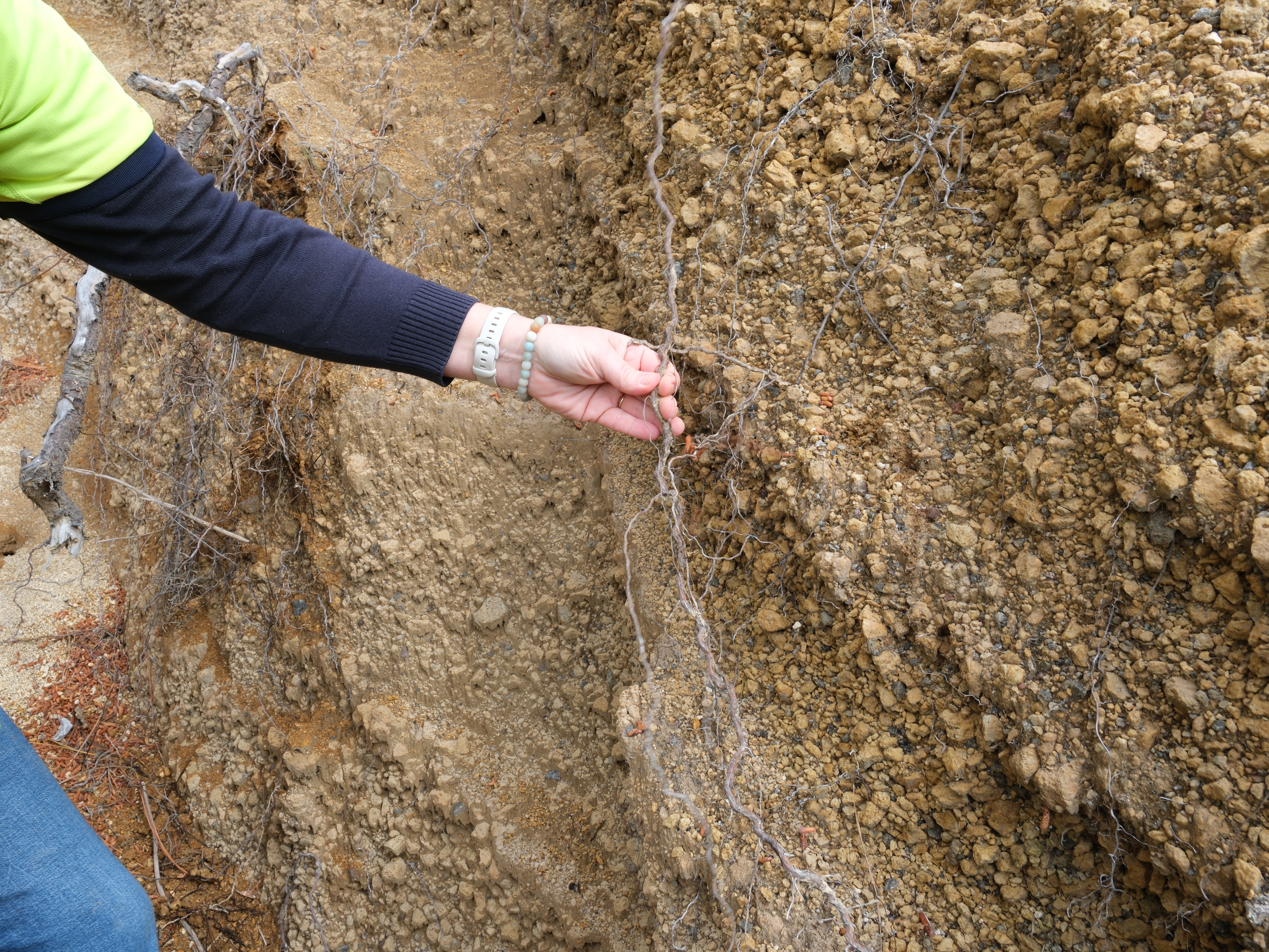
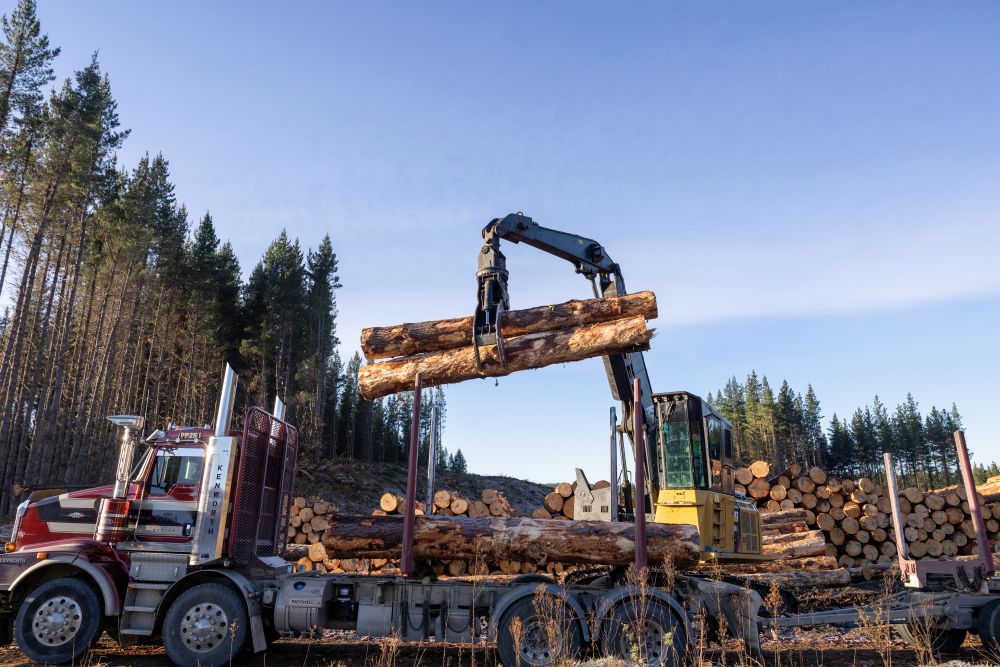
Forest productivity depends on a number of variables including soil and climate, tree monitoring and management, and efficient harvesting technologies. Understanding the effects and interactions of these will help us create highly productive future forests.
Diversifying commercial forestry
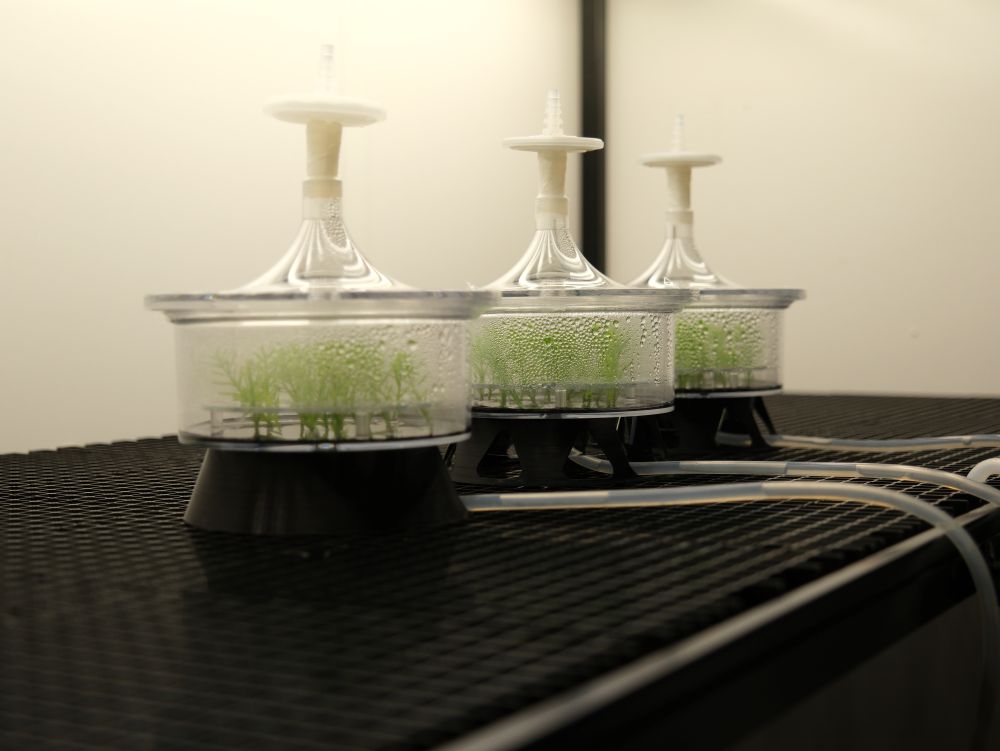
Our tree breeding programmes include exotic forest species such as Douglas-fir, redwoods, eucalypts and cypresses to meet a growing demand to diversify into other forest species.
Digital technologies for forestry
Machine learning, automation and robotics, software tools and visualisations are increasingly supporting all aspects of forest planning and management.
Creating value and competitive advantage
Our team helps grow business by connecting opportunities across the full spectrum of the forestry value chain.
Transforming Tree Phenotyping research programme
Forest-scale phenotyping (characteristics) of millions of trees will enable forest growers to optimally match different tree genotypes to site conditions under current and future climates, increasing indigenous and exotic plantation productivity, forest health and resilience.
Contact
Peter Clinton, Principal Scientist and Programme Leader of Resilient Forests.
Michael Watt, Principal Scientist and Portfolio Leader - New Value from Digital Forest and Wood sector