
Blown away – Issue 5
This is the fifth in a series of bi-annual newsletters sharing updates on the progress, team, and unexpected discoveries from this research programme.
New Zealand faces ongoing risks from insects and pathogens blown here on the wind—an often-overlooked gap in our biosecurity defences, and one likely to grow with climate change. The Protecting Aotearoa from Wind-Dispersed Pests programme is addressing this challenge for two more years by improving knowledge of wind-assisted long-distance moth flight, updating wind movement models, and predicting the survival of rust spores following dispersal.
The goal: a predictive warning system to help us respond faster and more effectively to new incursions.
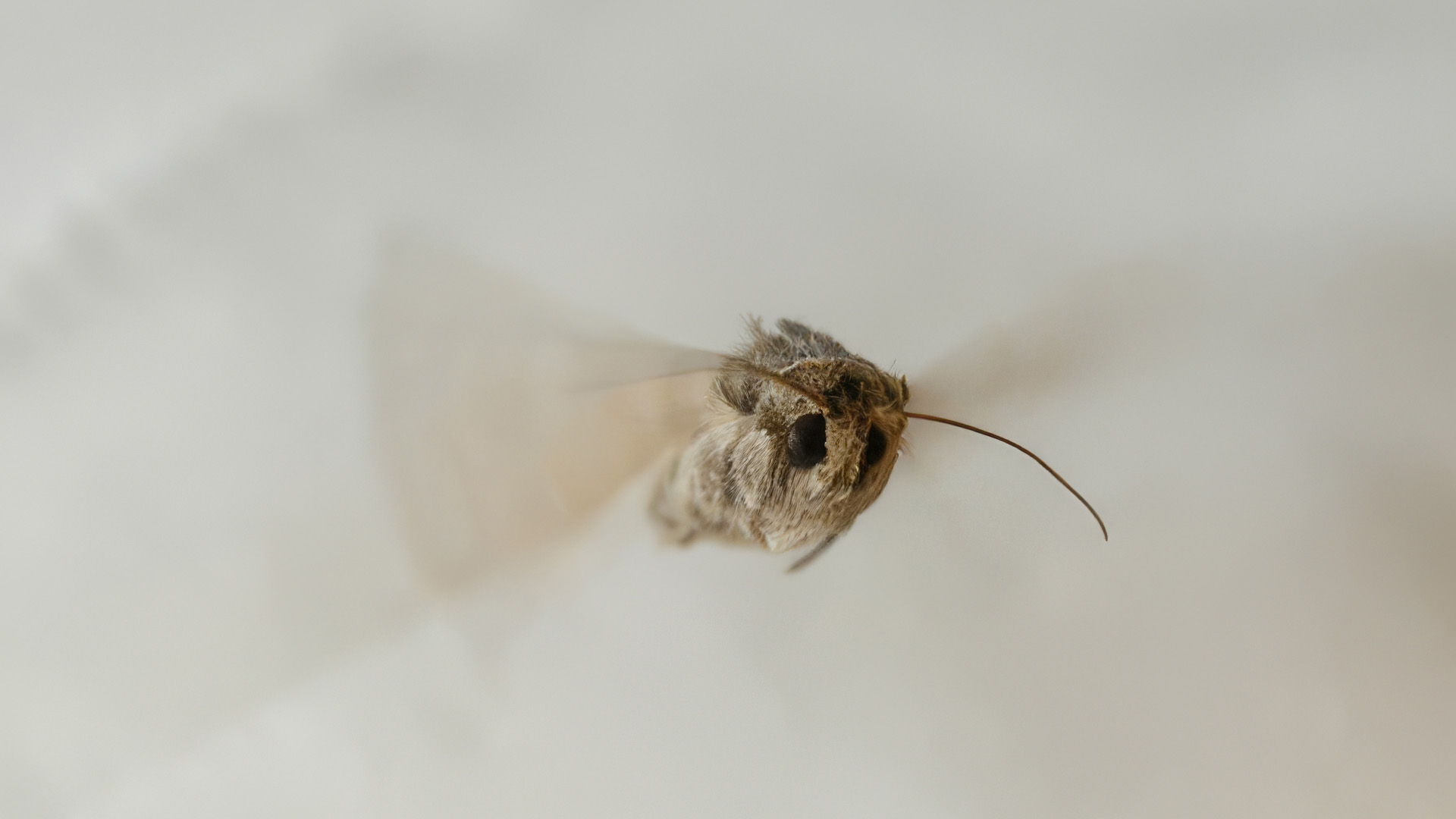
A fall armyworm moth (Spodoptera frugiperda) in flight during laboratory studies at the University of Canterbury. Image: Bioeconomy Science Institute
Short Surveillance update
Toni Withers
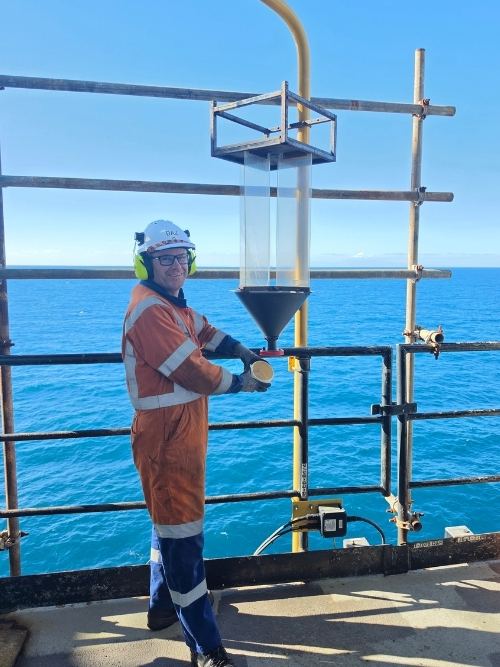
Darrell Thomas from OMV completing a check for moths on the Māui B offshore platform.
In the previous issue of Blown Away we introduced you to the research being undertaken to both predict when a connecting wind event would arrive, and to collect any moths or particles in the air during our surveillance sampling activities. OMV staff and contractors have now been looking for moths that may have arrived on their brightly lit offshore platforms for the last nine months. Māui B is 55 kilometres west of the Taranaki coast, and the FPSO Raroa is 80 kilometres south. This surveillance enabled 40 insects to be collected from Māui B, and 14 from the FPSO Raroa. The greatest number of interceptions were in October and November 2025, and in mid-summer, January 2026. The majority of moths were captured alive from the top deck in the morning during west to north-west winds, when staff undertook their dawn safety inspections. The moths had presumably been attracted to the bright lights of the platform the night before, and come to rest on a surface, however sometimes specimens were retrieved drowned in a puddle of rain or salt spray. Due to this, the quality of the specimen varies. More moths were caught beneath the bright lights of the platform than in our collecting vessels (shown on the right).
Following interception, all moths were frozen and transported back to our laboratories where they were photographed, given a preliminary identification and then analysed. From this inspection we could estimate whether the moth was carrying eggs or fatbody (generally both are depleted as they have been resorbed to fuel the long-distance flight). Molecular identification confirms the moth to species (by comparing the molecular sequence of the COX1 gene region to two international databases). The next stage of analysis will obtain δ2H (hydrogen) isotope readings, and 87Sr/86Sr (strontium) elemental isotope readings. Our aim is that these data sets will provide us a strong indication of where each moth was feeding on its host plant when it was a caterpillar.
No butterflies were captured during the surveillance on the offshore platforms. But there were two surprises – three specimens of burnt pine longhorn beetles and seven specimens of diamondback moth. Beetles are not thought to be able to fly so far offshore, so we are curious to know whether they hitchhiked a ride to the platform with equipment and supplies. Diamondback moths are believed to be able to fly 1000 km/day over the sea (Chapman et al 2002) and New Zealand populations have the same genetics as Australian populations. It has been hypothesised that the high gene flow and arrival of resistance to pesticides only used in Australia indicated Australian moths were getting here by either hitchhiking on imported commodities such as broccoli that don’t require treatment, or wind-assisted dispersal (Voice and Chapman 2000, New Zealand Plant Protection 53:83-86). We may have captured more evidence that indeed they do make the journey here when wind connections are present. Our next step will be to analyse wind patterns in the two days before the interceptions. We expect the data from the elemental analyses may allow us to infer where the beetles came from but sadly diamondback moth bodies are too small to provide us with reliable readings on their natal origin, and genetic differentiation will also not reveal their population of origin. The wind vector analyses coupled with the date of arrival to the platforms will therefore be crucial.
Fall Armyworm
Toni Withers
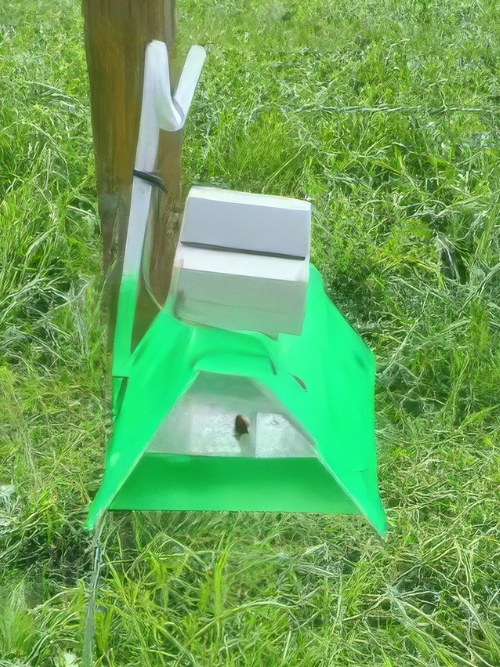
Typical FAW trap set-up with CropVue hardware attached to a delta trap containing a pheromone lure on a sticky trap base.
AI Camera Traps
Monitoring of fall armyworm (FAW), Spodoptera frugiperda, was undertaken at six pheromone-trap sites around the Taranaki coast between October 2025 and June 2026 to support research on wind-dispersed macro-moth arrivals in New Zealand. Automated CropVue camera traps equipped with FAW pheromone lures were used to compare AI-based detections with human visual assessments of trap images. No detections were recorded at two sites, while on the other sites two detection peaks occurred during mid-January and late March 2026, confirming the presence of the pest of maize and corn in Taranaki. Visual inspection of the sticky trap bases consistently indicated that moths had been intercepted 1–2 days earlier than the AI system recognised, and human inspectors recorded higher numbers of moths, with the AI counts typically underestimating total detections. Image quality was a limiting factor for the camera traps, and by the time sticky bases containing the moth bodies had been collected, often the scales from the moth wings had worn off, making definitive identifications difficult. There are clearly pluses and minuses to the use of these new tools.
Free Flight – Willam Falconer Beach’s Master's Project
Toni Withers and Mark Jermy
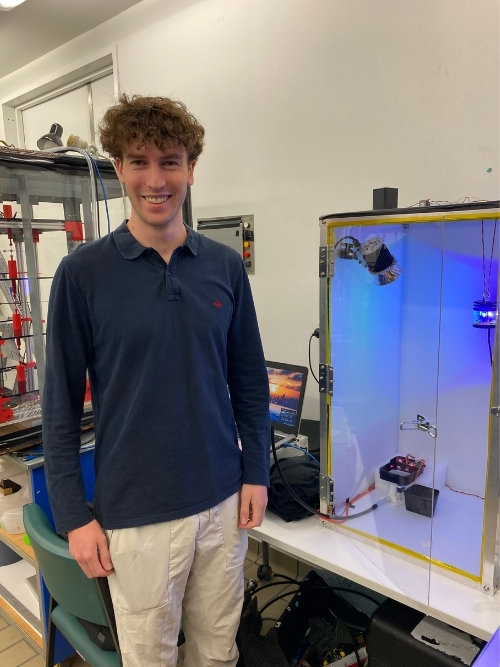
William Falconer Beach and his experimental flight chamber. Image: William Falconer Beach, University of Canterbury.
In our last newsletter, we introduced you to the airborne travellers – pest moths – and the research underway at the University of Canterbury helping us understand how they reach Aotearoa. Not much is known about whether moths undertaking wind-assisted migrations can avoid rain clouds or cope with raindrop impacts but this is another important challenge faced during migration. Researchers in China have shown that moths flying over land rapidly descend to avoid flying in heavy rain, but if they do this when flying over the sea this would be a life-ending decision.
In March 2026, master’s student William Falconer Beach began a unique set of experiments examining the impact of raindrops on fall armyworm moths in flight. He has already achieved a key research area aim: capturing free-flying fall armyworm moths on high-speed video, particularly their interactions with raindrops. From these he will be able to extract the vertical components of velocity and droplet sizes to determine the momentum loss to the flying moth on impact. The following are all possible: wing deformation, wing damage, wing gait interruption, droplet push/ coat/ or splash, and/or vertical / horizontal momentum loss. Ultimately, he will be able to assess the impact of raindrop impacts falling at terminal velocity, onto the lift/ thrust energy lost during flight.
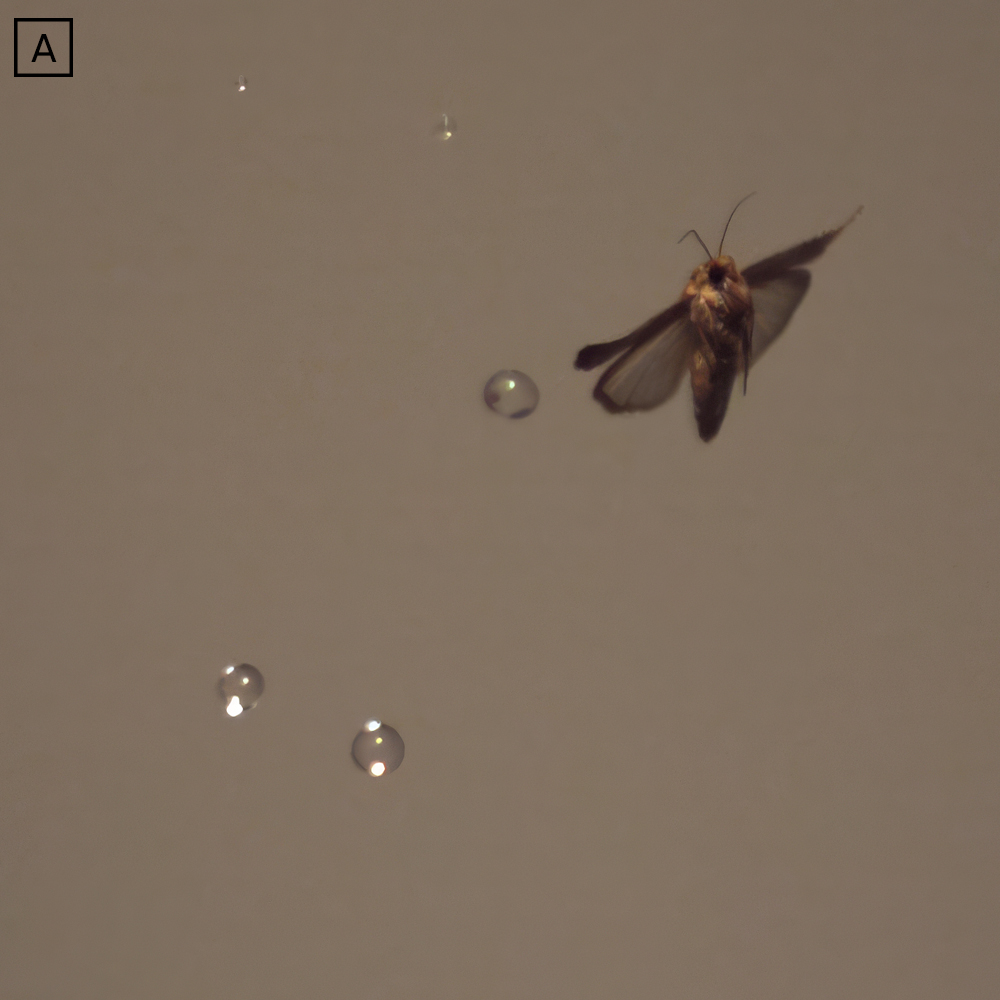
Moth in flight along side a raindrop. Image: William Falconer Beach.
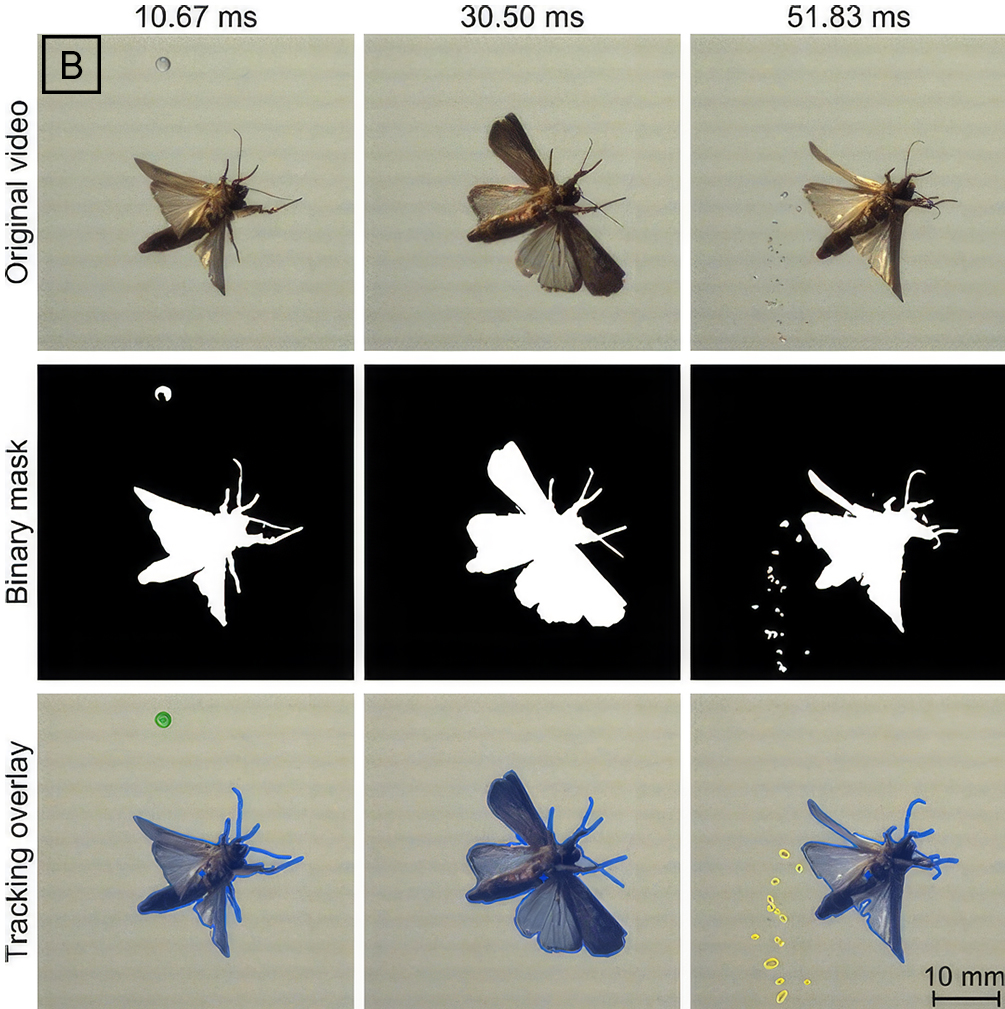
Object tracking workflow. Columns show selected frames at 10.67 ms, 30.50 ms and 51.83 ms (left to right). Rows show the original video, binary segmentation mask and tracking overlay (top to bottom). In the tracking overlay, the moth is shown in blue, the incident droplet in green and secondary droplets in yellow. Image: William Falconer Beach.
William is a mechanical engineering student beginning a master’s research project investigating how raindrops interact with moths in flight. His work applies mechanical design, high speed imaging, and fluid dynamics to determine the energy costs of rainfall on moth flight, and study how rain can affect long-distance migration. The research aims to improve understanding of how weather influences insect movement, so we can better predict the arrival of invasive species.
Acknowledgement
The team acknowledges OMV New Zealand Ltd for the collaboration that enabled staff to capture moths to add to our valuable long-distance dispersal moth dataset.
Meet the team
This time we are shining the spotlight on the researchers involved in Research Area 4: Surveillance.

Dr Toni Withers
Dr Toni Withers
Bioeconomy Science Institute Maiangi Taiao, Rotorua
Science and project co-leader; Research Area 4 co-leader
Toni is a Senior Entomologist with the Bioeconomy Science Institute in Rotorua, with a special interest in insect behaviour. Her research career began by looking at the dispersal (short and long-distance flight) behaviour of a small pest, the troublesome hessian fly. More recently she has been into investigating the interactions between defoliating forestry insects and their host plants, biological control, and assessing the risk posed by new invasive insects into New Zealand. Toni is loving the research on invasive Lepidoptera, and their trans-Tasman dispersal behaviour.
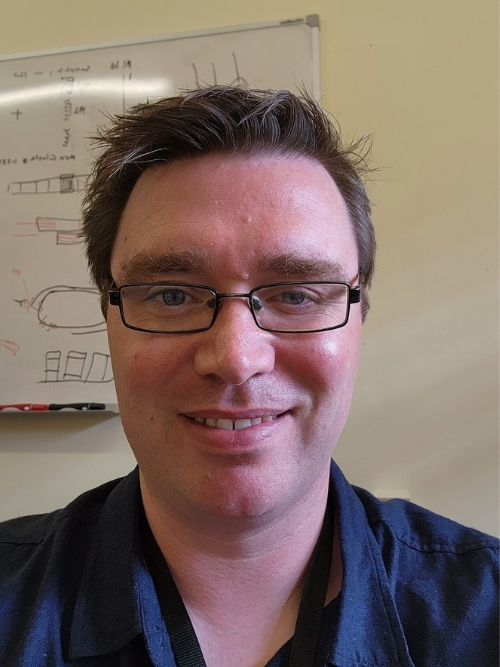
Dr Stephen Archer
Dr Stephen Archer
Bioeconomy Science Institute Maiangi Taiao, Palmerston North
Research Area 4 co-leader
Steve is a Senior Scientist with the Bioeconomy Science Institute in Palmerston North, studying the microbial ecology of airborne microorganisms and ruminants. His expertise includes airborne microorganisms, field sampling, DNA analysis, science outreach. He has led a broad range of projects involving the molecular genetic analysis of microbial communities in extreme and non-extreme environments around the world. He is excited to put his expertise towards understanding the extent and frequency microbial aerial invaders – such as myrtle rust – travel across the ditch and to better understand the drivers of this dispersion so that he may help modellers get ahead of the invisible pathogens that threaten our beautiful natural heritage.

Selwyn Insley
Selwyn Insley
Bioeconomy Science Institute Maiangi Taiao, Rotorua
Pou Hononga Māori Partnerships Lead Research Area 1.4
I whānau mai au ki Rotorua nui a Kahumatamomoe Kei te kainga tonu ahau e noho ana Tokorua aku Tamariki
No Ngāti Whakaue ahau me Te Whanau a Apanui
Ko te Kaupapa nui Te Taiao hei ora tu tonu mo wā tatau nei mokopuna Tamariki kei te haramai.
He maha ngā mahi ki runga i ngā whenua o taku whakapapa mo te ora o te iwi.
Selwyn is a Pou Hononga Māori Partnerships Lead, responsible for encouraging positive engagement groups with iwi / hapu / Māori landowners on behalf of the Bioeconomy Science Institute. He believes that with the right approach Māori partners will find real benefit in building positive relationships with the Institute. There is also much that the Institute can learn from the epistemological approaches of te ao Māori. He will assist in maintaining relationships within Taranaki iwi. He will also be involved in the engagement with the schools to share developed resources and learning.
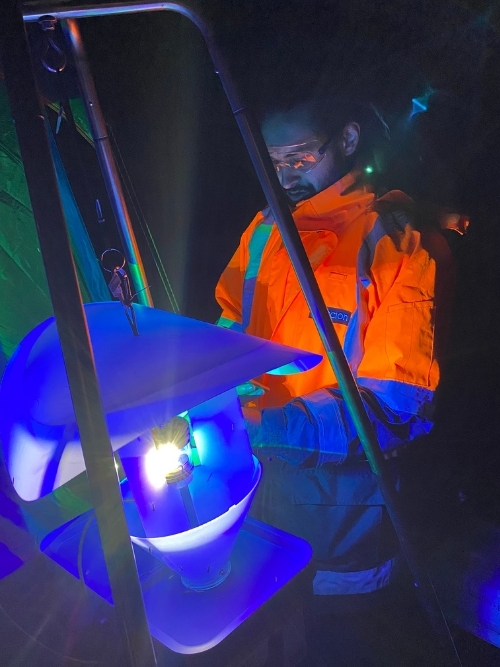
Taiāwhio Bryers
Taiāwhio Bryers
Bioeconomy Science Institute Maiangi Taiao, Rotorua
Emerging Researcher within Research Area 4
I whānau mai au i te takiwā o Herekawe. He manawa eke ngaru mai i Waikaranga ki te pūwaha o Waiwhakaiho. He ika whakatiketike i ngā wai tuku kiri, i ngā wai tuku oranga ō te mounga tītōhea.
He ia whakaheke o Te-Tai-Tokerau, Te-Pūreora-ō-Kahu, Te-Tai-Hau-ā-Uru me Te-Pātaka-o-Rākaihautu. Tēnā koutou katoa.
Taiāwhio is a Research Assistant at the Bioeconomy Science Institute offering technical support to science projects and exploring Kaupapa Māori led pathways within the te ao Māori research group. Born in Ngāmotu, Taranaki, he grew up around a diverse community and was nurtured by speakers of te reo o Taranaki (Taranaki dialect). Descending from Ngā Rauru, Ngā Ruahine and Ngāti Maru, he brings his own connections to people and places in Taranaki and an enthusiasm to explore science alongside mana whenua. Within the Protecting Aotearoa programme his role has assisted with Lepidoptera (moth) trapping and identification, and supporting educational outreach programs for local whānau, hapū, iwi and communities of Taranaki.
Mike Davy
Mike Davy
Bioeconomy Science Institute Maiangi Taiao, Rotorua
Emerging Researcher within Research Area 4
Mike is a Senior Entomology Technician at the Bioeconomy Science Institute in Rotorua with a passion for all things Lepidoptera. Mike has trained up his moth and butterfly identification skills to differentiate between local species and migrants when light trapping for the Protecting Aotearoa programme. He is also excited to investigate large-scale trends in what moths and butterflies have arrived in New Zealand over the wind throughout history, and has developed a database of over 220 species to do so.
Renelle O’Neill
Renelle O’Neill
Bioeconomy Science Institute Maiangi Taiao, Rotorua
Molecular biology Researcher within Research Area 4
Renelle is a molecular biologist working in the Pathogen Diagnostics and Collections team on a variety of molecular diagnostics. Much of her work involves fungal and oomycete forest pathogens, with extension into insect diagnostics for species-level identification of trapped specimens. Renelle’s specialisations are PCR, qPCR and DNA sequencing from assay development and optimisation through to data processing.
Dr Craig Phillips
Dr Craig Phillips
Bioeconomy Science Institute Maiangi Taiao, Christchurch
Senior Scientist - Research Area 4 collaborator
Craig is an experienced population dynamics and distribution modeller, technical advisor to the Ministry for Primary Industries (MPI) on various pest-eradication strategies, including the great white butterfly and painted apple moth.

Dr Nicolas Davies
Dr Nicolas Davies
Bioeconomy Science Institute Maiangi Taiao, Christchurch
Scientist - Research Area 4 collaborator
Nicolas is a multidisciplinary scientist specialising in the application of mathematical approaches to the agriculture and forestry sectors. Recently, his work has involved the rapid development of a life cycle and overwintering model for fall army worm as part of a bio-security response.
Sean Zieltjes
Sean Zieltjes
Taranaki Maunga Ltd Research
Research Area 4 collaborator
As Poutohu Matua Taurua/Co-project director, Sean’s role is to lead the successful partnership and development of the ecological restoration of Te Papa-Kura-o-Taranaki.
The project operates within the new system and frameworks established through Treaty Settlement. Those arrangements include Te Tōpuni Kōkōrangi is the legal human face and voice of Te Kāhui Tupua (Taranaki Maunga – previously known as Mount Taranaki - and its surrounding peaks).
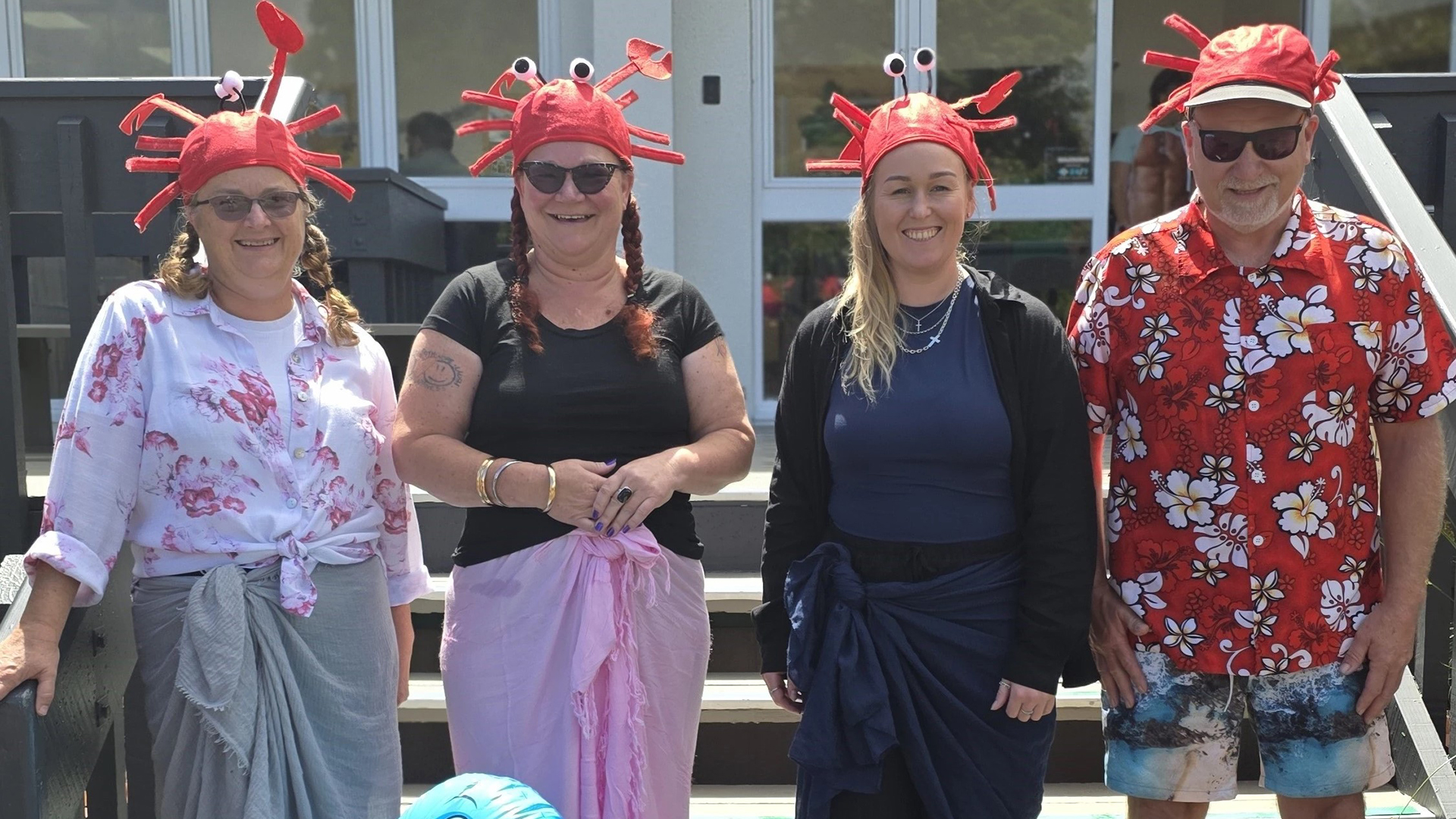
Taranaki Regional Council’s education team have been flitting all over Taranaki with students as they investigate whether the moths, butterflies and/or microbes have been friend or foe. Following the Flight of the Wind Wanderers is big news for our team and the region of Taranaki. Wind currents bring our visitors over from the pacific and they don’t just stop at the coast. We have inland schools taking part in this citizen science mahi too. Photo: Gwenda Pease, Lauree Jones, Claire Payne & Richard Carr showing TRC just how seriously we take our mahi. This is getting ready for a biodiversity event at the end of 2025.
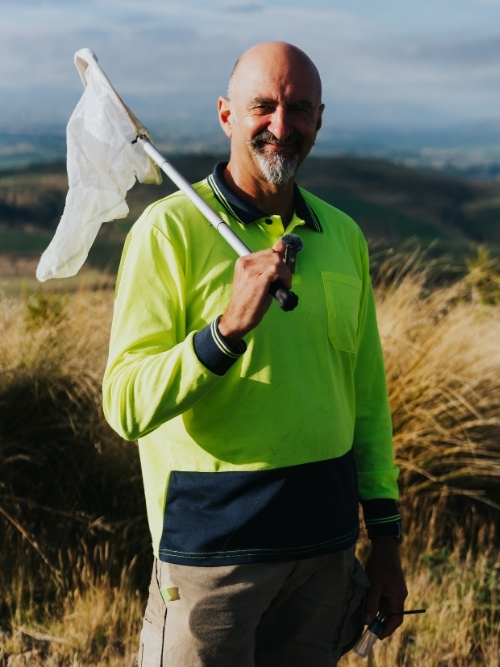
Dr Peter Holder
Dr Peter Holder
Research Area 4 collaborator
Peter is a consulting ecologist and adjunct at Lincoln University. He has been at the forefront of utilising biogeochemical signatures from intercepted insects for biosecurity provenance determination – Peter pioneered the use of elemental concentration and isotope information for investigating the natal origin of fruit flies, beetles, stinkbugs and moths. He will be working with the Sr and H isotope data to assist us with interpretation of where our intercepted moths may have arisen from.