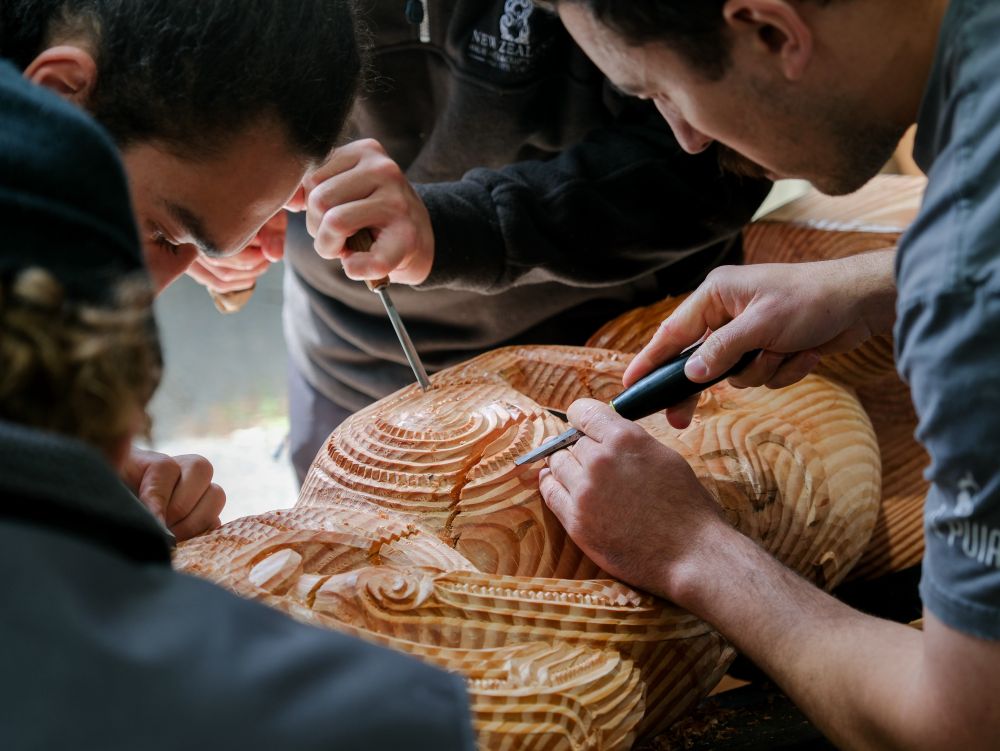
Since 2023, Te Taonga Ltd and the Bioeconomy Science Institute – Scion Group, have conducted an exploratory research programme - Kāore te Ngahere - to support carvers with the aim of reducing the burden on tōtara. Carvers have expressed concerns that it is increasingly difficult to source tōtara for carving and that we should find ways to support tōtara, as the preferred timber for carving and as a taonga species.
We conducted collaborative research across several areas of interest, and provided a space where we could combine mātauranga and science to meet the needs of carvers and to support carving traditions for future generations.
Kāore te Ngahere was funded by the Ministry of Business Innovation of Employment (MBIE) through the Vision Mātauranga Capability Fund.
About the research
Carving is more than craft—it is culture, identity, and connection to the whenua. This research demonstrates what can be achieved when Māori knowledge holders and scientists work together. Through wānanga and practical trials, we developed approaches that respect tikanga and kawa while introducing innovations that carvers can choose to adopt.
Focus areas include:
- Identifying alternative species for carving
- Developing lamination techniques
- Exploring added value from carving residues
- Maintaining carvings for longevity
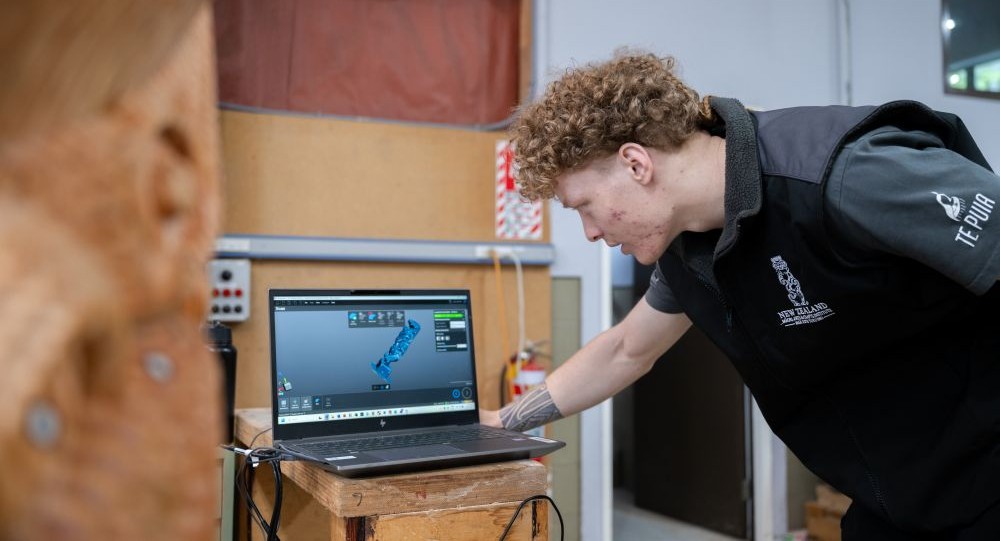
- Integrating 4D design technologies
Our Team
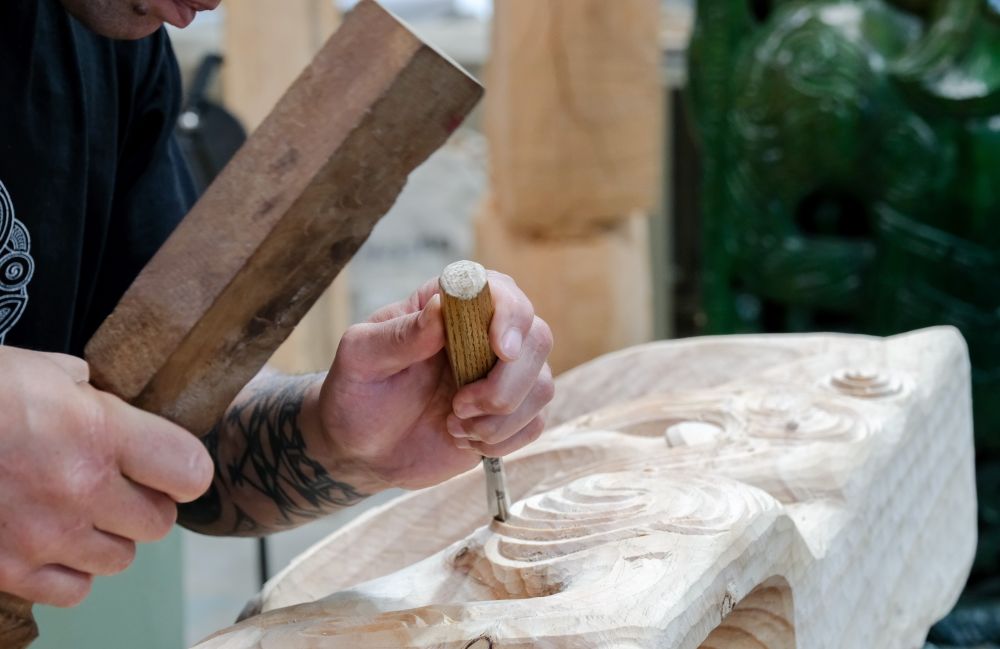
Kāore te Ngahere was co-led by Grant Marunui (Te Taonga Ltd) and Jonathan Kilgour (Bioeconomy Science Institute), with contributions from master carvers Shannon Wafer (Atakura Arts) and Kawana Waititi (Totoki Arts), and from our junior researcher Taiawhio Bryers (Bioeconomy Science Institute). Their expertise and mātauranga guided the research, ensuring integrity and cultural appropriateness.
We were supported by expertise of science staff at the BSI-Scion Group, and by tutors and students from the New Zealand Māori Arts and Crafts Institute (NZMACI) and established master carvers.
We would like to thank all of those involved in our research:
We would also like to thank Ngāti Hurungaterangi, Ngāti Taeotu and Ngāti Te Kahu for supporting the project.
Research outputs
We’ve developed guides and resources across five key research areas. Expore the research below.
-
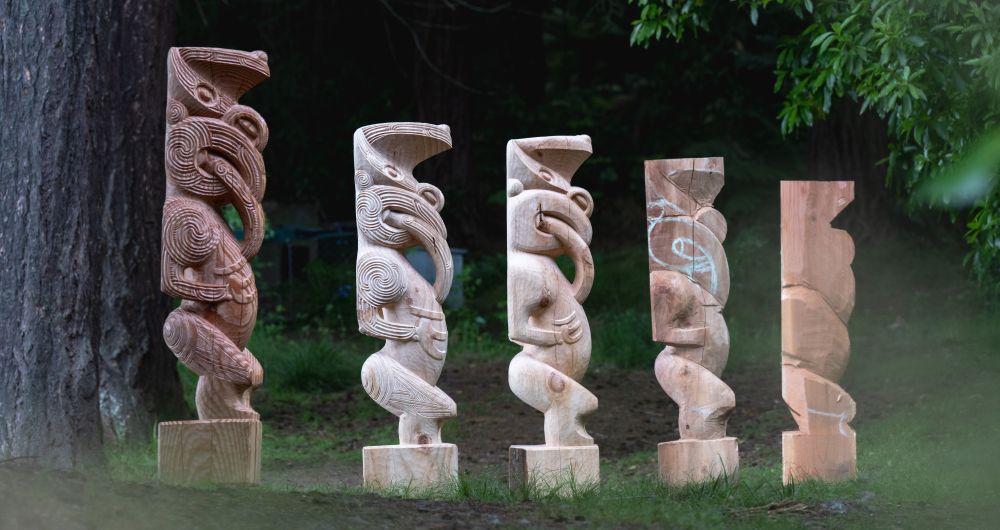
Alternative species for carving teko teko
Our research assessed the properties of select exotic species to identify possible alternative timbers for carving. -
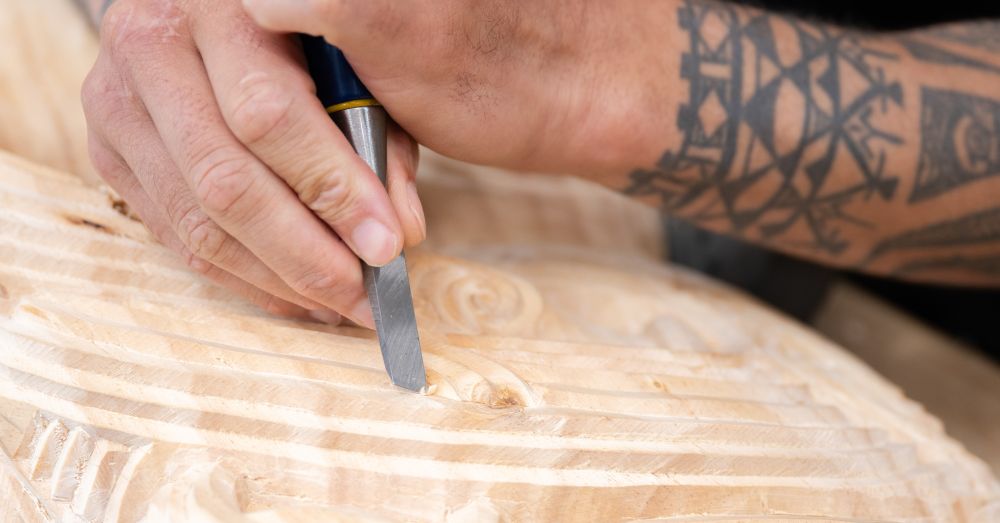
Lamination
Lamination is a technique that joins timber to create strong, stable pieces that can be used for carving. -
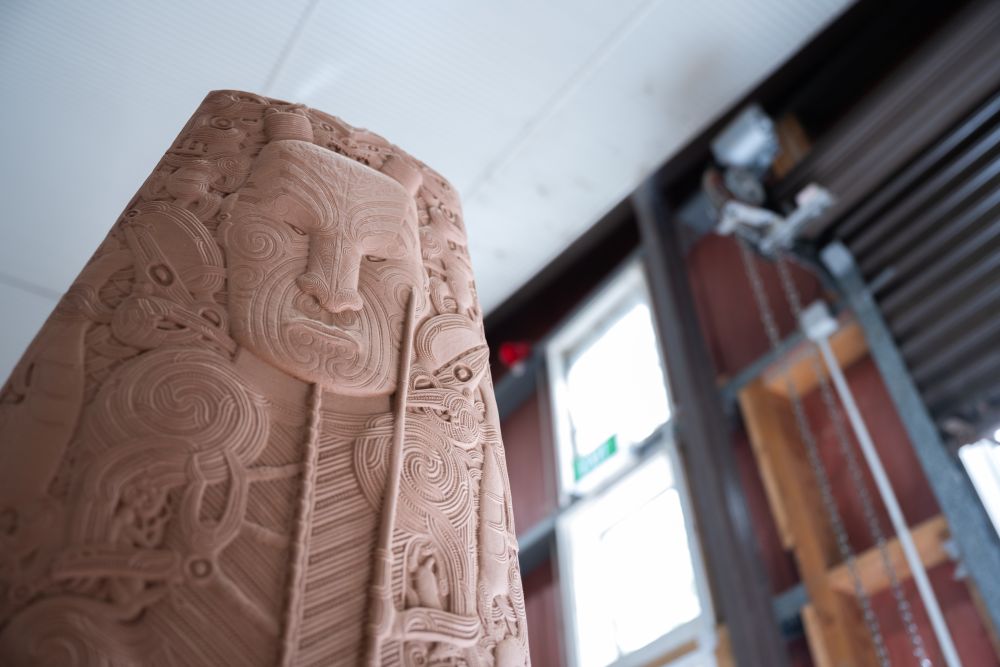
Products from carving residues
Māori values emphasize using every part of what we take from nature, and using residues from carving offers opportunities to innovate and create added value, at least at a small scale. -
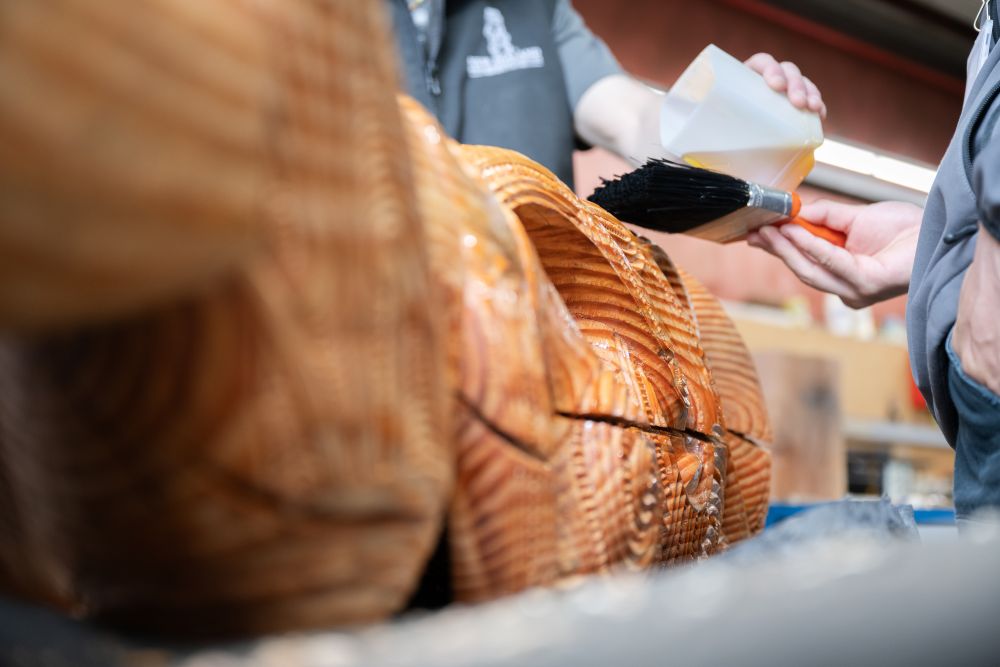
Maintenance of carvings
Carvings are taonga intended to last for generations, and maintenance is essential to preserve their beauty and integrity. -
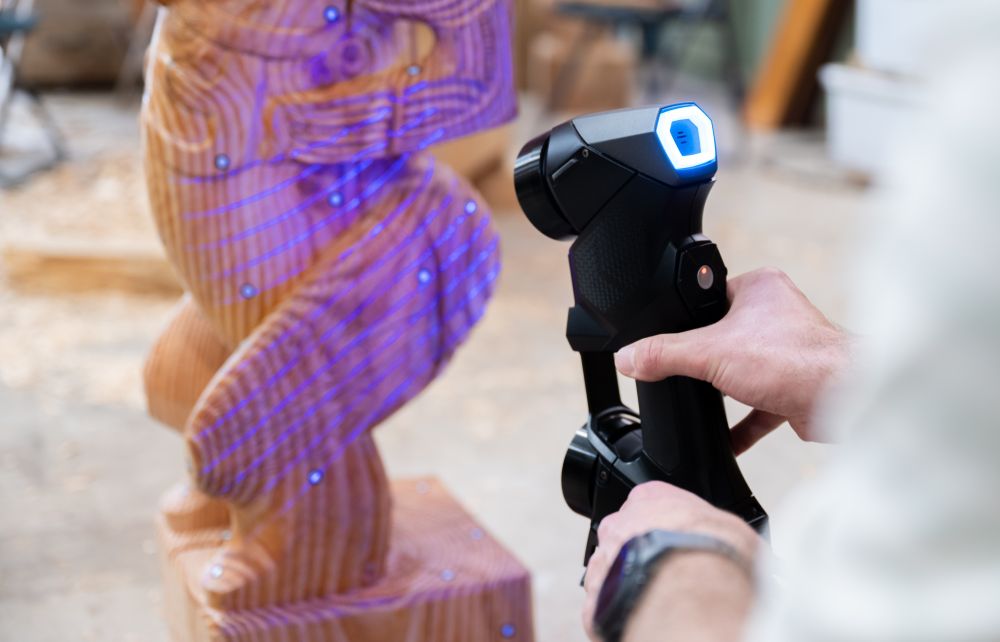
Integrating 4D design in carving
4D design refers to how time is added as a dimension to a form, so that it can change, move or transform over time.
Alternative species for carving teko teko
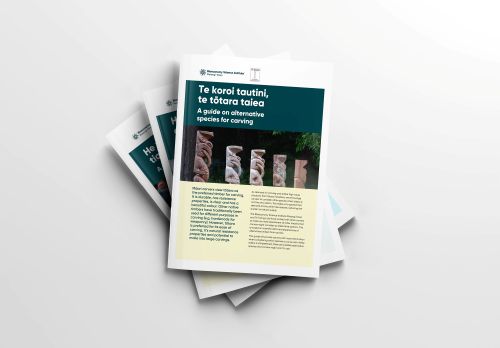
Tōtara remains the preferred timber for carving, but its slow growth and cultural significance means we must protect it for future generations. Carvers also report increasing difficulty to source tōtara for carving, particularly for larger pieces.
Our research assessed the properties of select exotic species to identify possible alternative timbers for carving. Our research, highlighted in Te Koroi Tautini, Te Tōtara Taiea (below) suggested ten softwood species. Our results were based on durability, hardness and availability data, alongside results from carvers on how well they carved.
Our team of carvers assessed these ten species based on shaping, moulding, appearance, knotting, surface patterning and how well the timber cut. The results of their assessments can be found below. The carvings from these assessments are located in front of Te Whare Nui o Tuteata on Titokorangi Drive, Rotorua.
Lamination
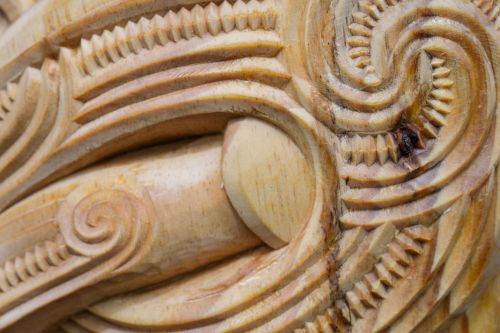
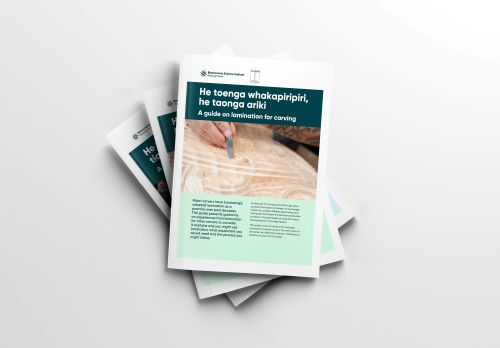
Lamination is a technique that joins timber to create strong, stable pieces that be used for carving. This approach allows carvers to use younger trees or recycled timber, reducing waste and reliance on old-growth tōtara. The guide explains why lamination matters, what equipment and adhesives are needed, and offers practical tips for achieving high-quality laminated timber. Lamination supports sustainability while maintaining carving integrity, making it an important innovation for the future of whakairo.
We developed a video that captures the views of carvers and scientists about lamination - you can watch this below.
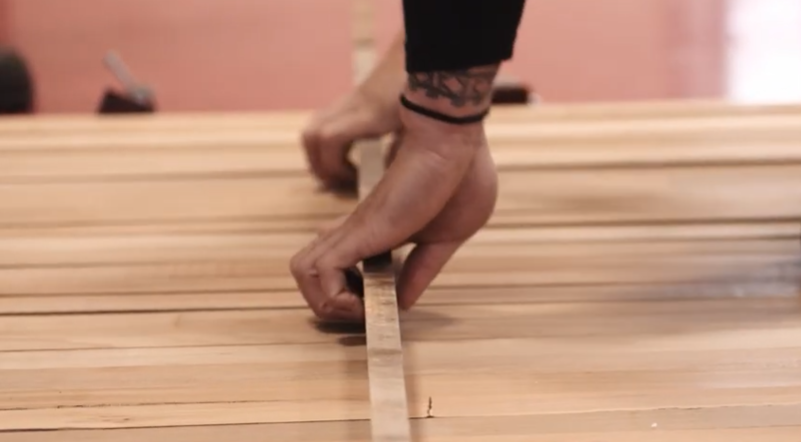
This lamination for carving video is part of the Kāore Te Ngahere, Ka Mate Te Whenua project. The overall aim of this project is to reduce the burden on tōtara from carving practices. Shared in the video are experiences of carvers from NZMACI and scientists from the Bioeconomy Science Institute.
Products from carving residues
Māori values emphasize using every part of what we take from nature, and using residues from carving offers opportunities to innovate and create added value, at least at a small scale. This research explored two examples: producing 3D printing filament from carving chips and making wood vinegar through pyrolysis. When considering kawa and tikanga, alongside new technologies, culture and stories can find new methods of expression, or as new products for us to use – while maintaining cultural integrity in their practices. This places carvers and other artists in toi Māori in a position to actively decide what technologies to adopt, and how to do so while maintaining cultural integrity.
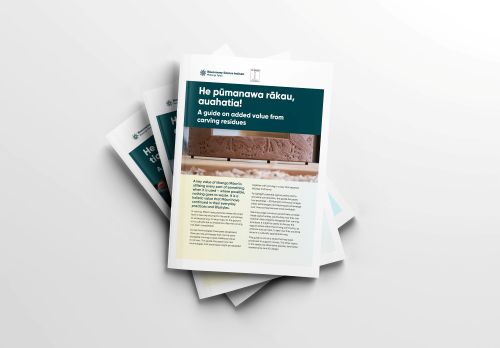
We are developing a video capturing the story of how we created a circular process of using wood chips of the carving of Tuteata on Tītokorangi Drive to produce 3D filament for printing a 3D version of Tuteata, as well as wood vinegar. The video is coming soon.
Maintenance of carvings
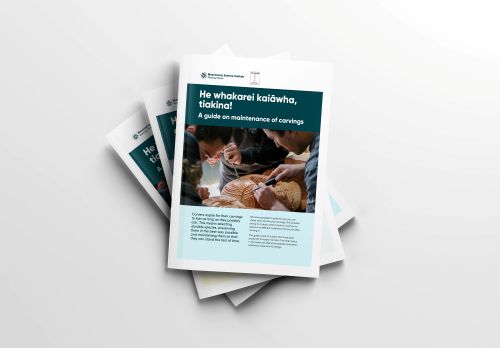
Carvings are taonga intended to last for generations, and maintenance is essential to preserve their beauty and integrity. We developed a guide with practical advice on monitoring carvings, selecting coatings and treatments, and understanding timber durability.
Integrating 4D design in carving
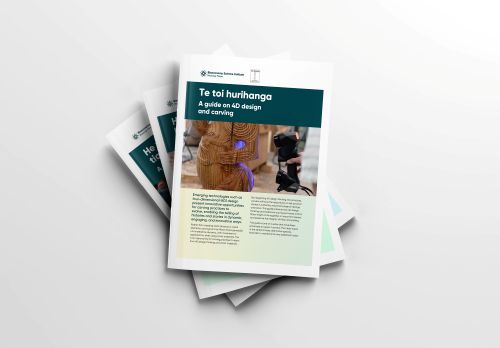
4D design refers to how time is added as a dimension to a form, so that it can change, move or transform over time. It usually means the use of smart materials that respond to stimuli, like heat, light, or moisture – and can refer to more mechanical means as well. We developed a guide on how 4D thinking can be integrated into carving design and practice, while upholding tikanga and kawa. Examples include adaptive coatings that reveal hidden designs and shape-shifting elements that bring pūrākau to life dynamically. 4D design offers exciting possibilities for innovation in toi Māori, expanding storytelling to more dynamic forms of expression.